

Programmes
Tinkering@Recess: STEM Innovators
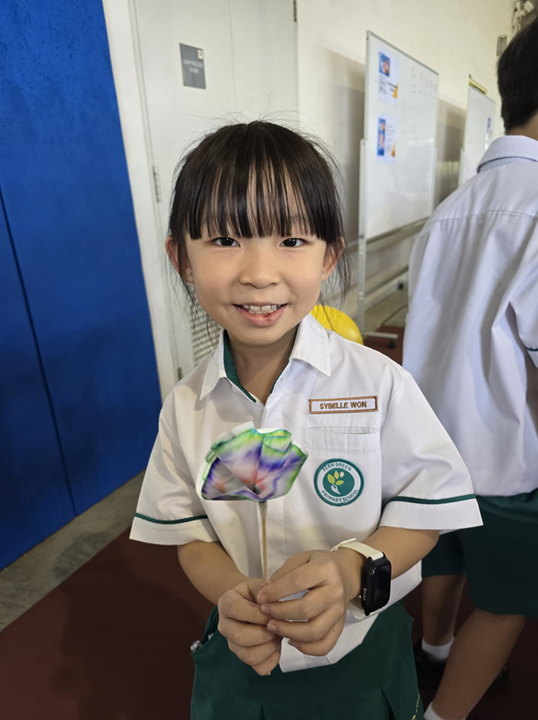
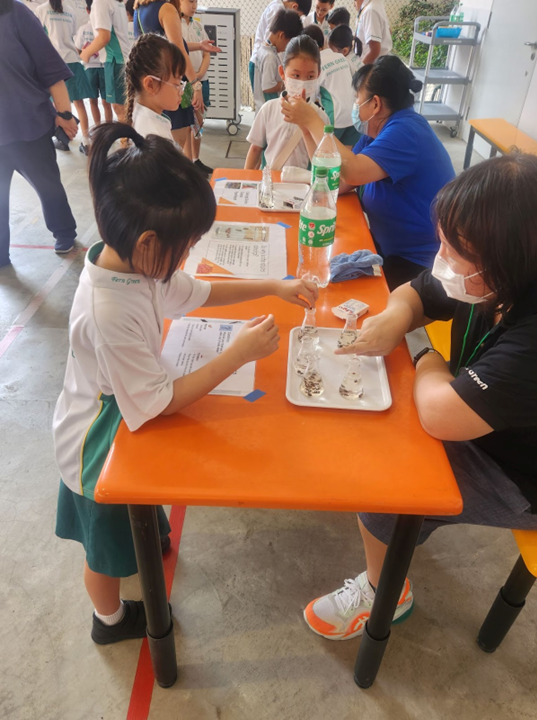
The Science department collaborates with the ICT department this year on our ALP Tinkering programme. On selected Thursdays, our ALP champions and Parent Support Group volunteers set up booths in the Sheltered Basketball Court to engage students in joyful and meaningful experiences in learning Science. Through a wide variety of hands-on and interactive activities like model making, video watching and experimental inquiry etc., our students learn about the unique characteristics of insects and how they use their adaptations for survival, as well as the fundamental principles behind electric circuits and electrical conductors in daily applications.
|
|
STEM Challenge
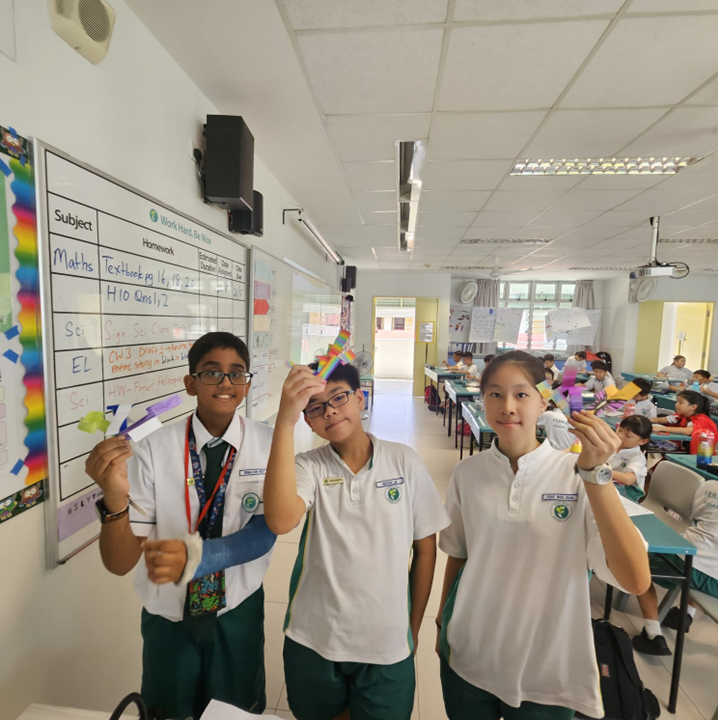
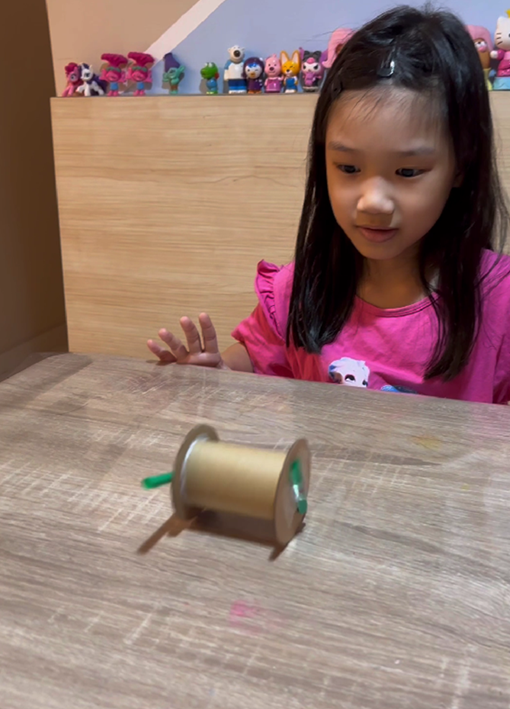
To ignite our students’ curiosity and unleash their creativity, the Science Department leverages on the STEM Playground Challenge organised by Curriculum Planning & Development Division, Science Centre and The James Dyson Foundation. Through the STEM challenge, we hope to provide meaningful platforms for our students to showcase their knowledge, skills and talents in a fun and engaging way and to develop a deeper appreciation for the sciences and technology.
Our students displayed their creativity by using various recycled materials to make their innovative prototypes. The teachers are very heartened and inspired by all the submissions via the Padlet in the Student Learning Space.
|
|
Excellence 2000 (E2K) Science Programme
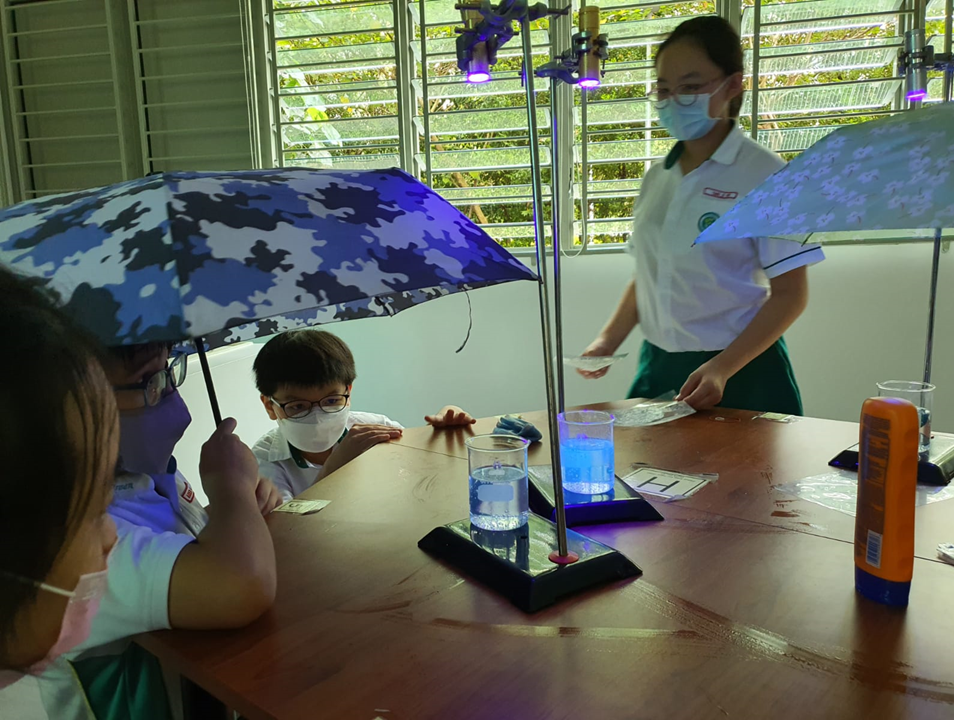
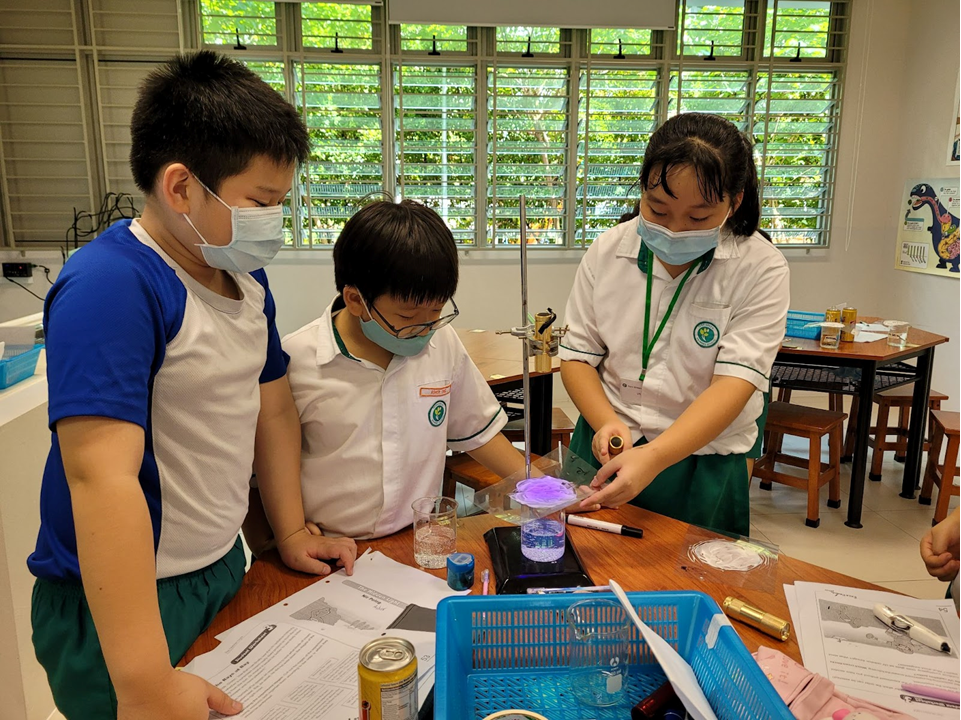
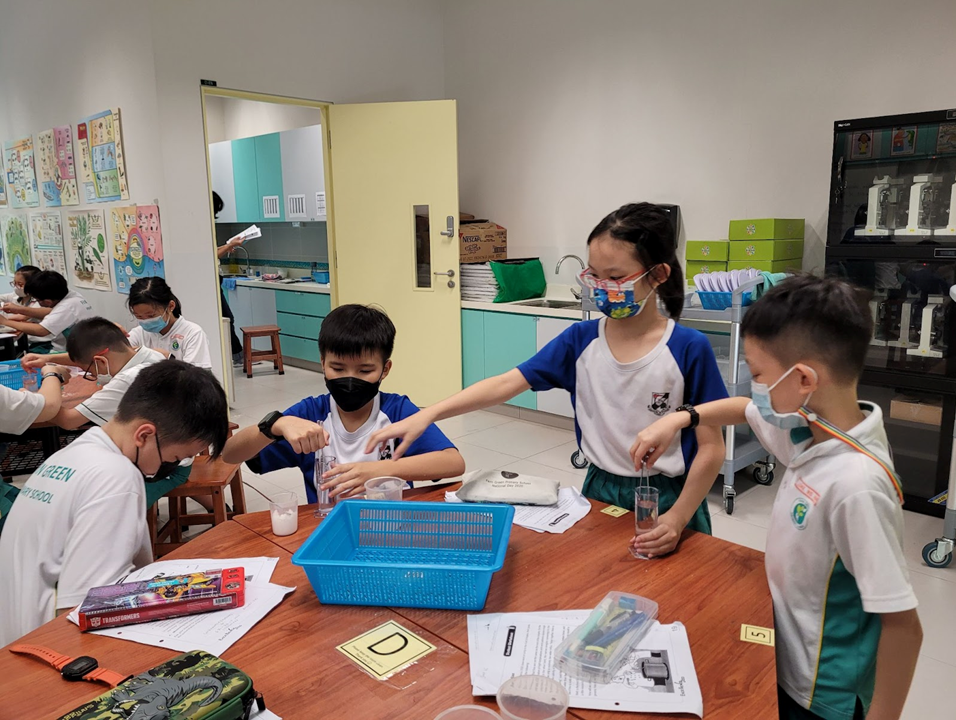
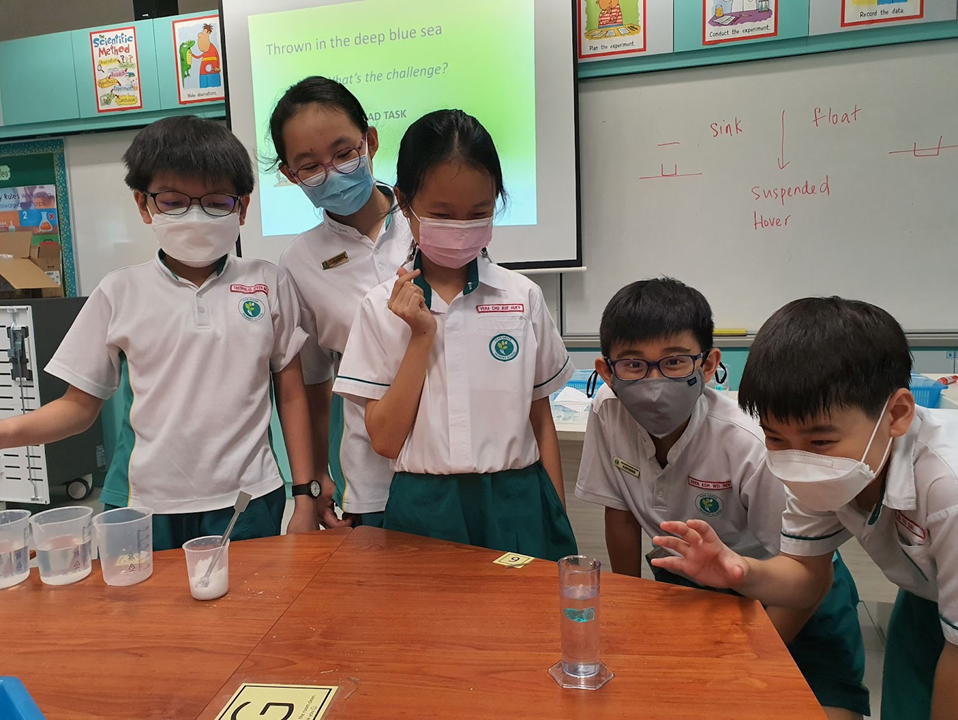
The E2K Science programme is part of the school’s enrichment programme for upper primary students who demonstrate an interest and ability in Science.
The programme aims to develop scientific inquiry process skills among students who have an aptitude in Science, as well as nurture other important 21st Century Competencies such as resilience and resourcefulness, critical and inventive thinking, and effective communication skills.
Students learn Science by going through the same process that scientists use to generate knowledge in the subject. Just as scientists make mistakes in the real world, students are given a safe space to make mistakes in E2K while their teachers help them to learn from the mistakes. Through collaborative learning and guidance provided by the teachers, students practise scientific thinking and reasoning, develop confidence and independence in carrying out scientific inquiry as well as scientific habits, attitudes and dispositions.
|
|
|
|